📢 OFFICIAL DOCUMENT 1902/CT-CĐS: TIGHTENING CONTROL OVER “TWO SETS OF ACCOUNTING BOOKS” – LAUNCHING A COMPREHENSIVE DATA REVIEW
This official document is not merely guidance… but a signal of a completely new phase in tax administration:
Data-driven management – Technology-based tracing – Elimination of “two sets of accounting books”.
📌 1. General Information
- No.: 1902/CT-CĐS
- Date: 31 March 2026
- Issuing Authority: Tax Department
- Target entities:
- Electronic invoice service providers
- Accounting software providers
- Electronic transaction service providers
🎯 Objective: To prevent tax fraud through the use of two sets of accounting books.
🚨 2. Nature of the targeted conduct
Enterprises use:
- One set of accounting books for reporting to the tax authorities
- Another internal set of books to record actual revenue
👉 Purpose:
- to reduce tax payable
- to conceal revenue
📌 The tax authorities consider this to be systematic fraud supported by software and technology.
⚖️ 3. Legal basis – Very high risk
- Law on Accounting 2015 – Article13: Prohibits maintaining two sets of accounting books
- Law on Tax Administration 2019:
- Article 17: Tax declarations must be truthful and complete
- Article 143: Failure to record revenue may constitute tax evasion
- Criminal Code 2015 – Article 221:
- Maintaining two sets of accounting books may result in criminal liability
🔥 4. The Tax Department’s position
All economic transactions must be fully – accurately – promptly recorded in a single accounting system.
- “Two sets of books” → cause loss of state budget revenue
- Undermine fair competition
- Erode trust in the legal system
🧠 5. Tightened control measures (EXTREMELY IMPORTANT)
🔹 (1) Prohibition of “two-set” accounting software
Suppliers must not develop or integrate functions hat enable the operation of two accounting systems.
🔹 (2) Installation of warning mechanisms
- Log data changes
- Detect abnormalities
- Issue warnings on fraudulent conduct
🔹 (3) Real-time data connectivity
- Integrate sales, accounting and e-invoicing data
- Transmit data to the tax authorities on a transaction-by-transaction basis
🔹 (4) Reporting suspicious enterprises
- Suppliers must report enterprises showing signs of using two accounting systems
- The information must include: the enterprise’s name, tax identification number and address
🔹 (5) Submission of customer lists
⏰ Deadline: The full customer list must be submitted no later than 8 April 2026
Thereafter, monthly periodic reports must be submitted
📊 6. Appendix – Comprehensive Data Collection
- Customer name
- Tax code
- Software Used
- Period of use
- Status (New/Amended/Discontinued)
👉 This is the step toward building a nationwide database on enterprise accounting software systems.
🚨 7. Understanding the true nature
This is not a ordinary official document , but a signal of:
- Data-driven tax control
- Technology-based tracing
- The complete elimination of “two sets of accounting books”
⚠️ 8. Practical impact
For enterprises:
- There is no longer any room to “circumvent” controls through software
- Data will be cross-checked
- The risk of inspections will increase significantly
For accountants:
- It’s no longer possible to maintain two sets of accounting books as before
- Data must be synchronized across sales, invoices and accounting records
📌 9. Conclusion
👉 Three keywords of this official document:
Transparency – Connectivity – Traceability
💥 Clear message:
Any enterprise still using “two sets of accounting books” → will be discovered sooner or later
- 🔵 Key Highlights of the 2025 Corporate Income Tax Law
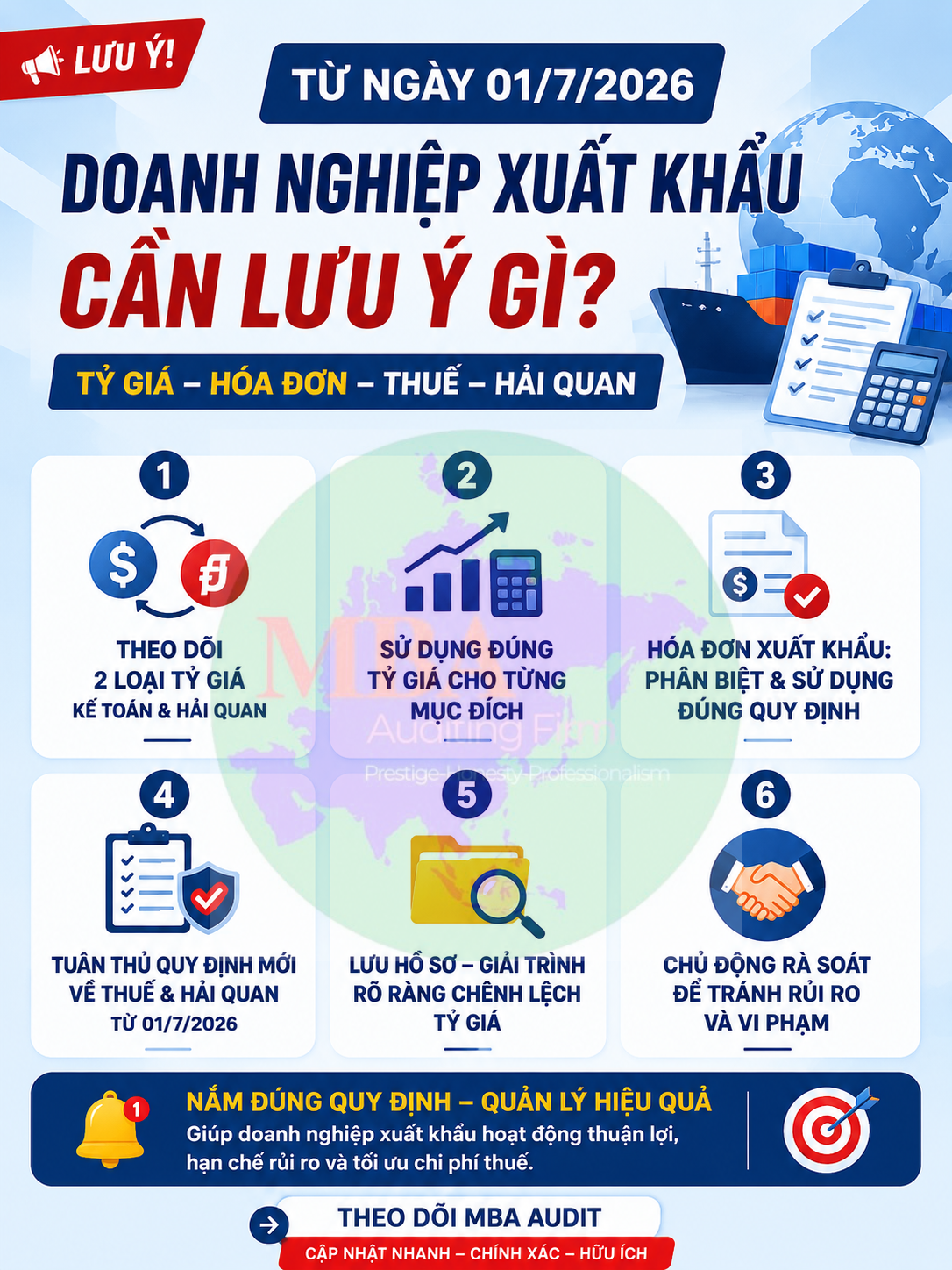
- 🚢 FROM 1 JULY 2026: WHAT SHOULD EXPORTING ENTERPRISES NOTE ABOUT EXCHANGE RATES AND INVOICES?
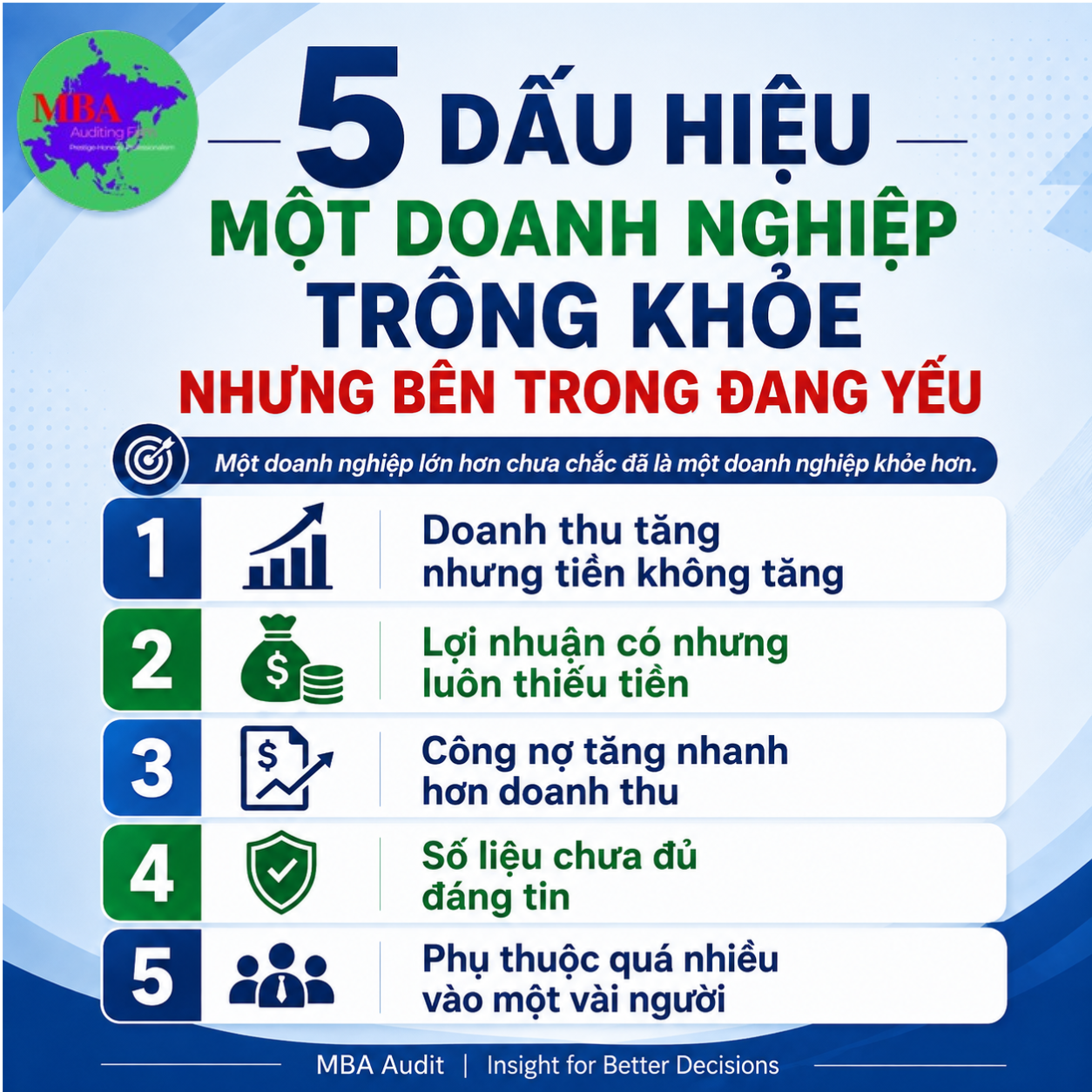
- 📊 5 SIGNS OF AN ENTERPRISE THAT LOOKS STRONG ON THE OUTSIDE BUT IS WEAK INSIDE
- 📢 DO HOUSEHOLD BUSINESSES WITH ANNUAL REVENUE UNDER 500 MILLION VND NEED TO STOP USING E-INVOICES?
- 📘 10 COMMON MISTAKES BEFORE AUDIT SEASON